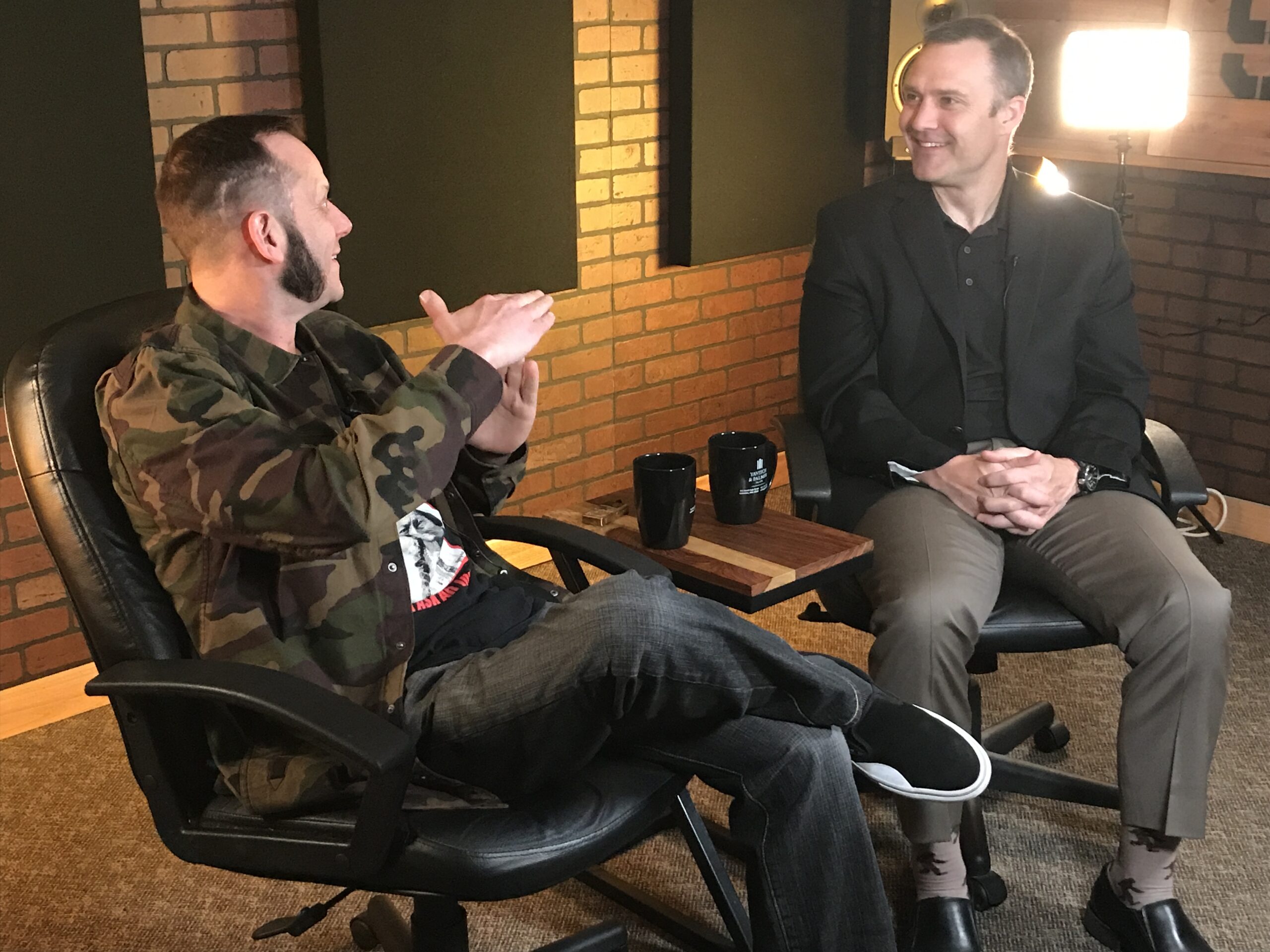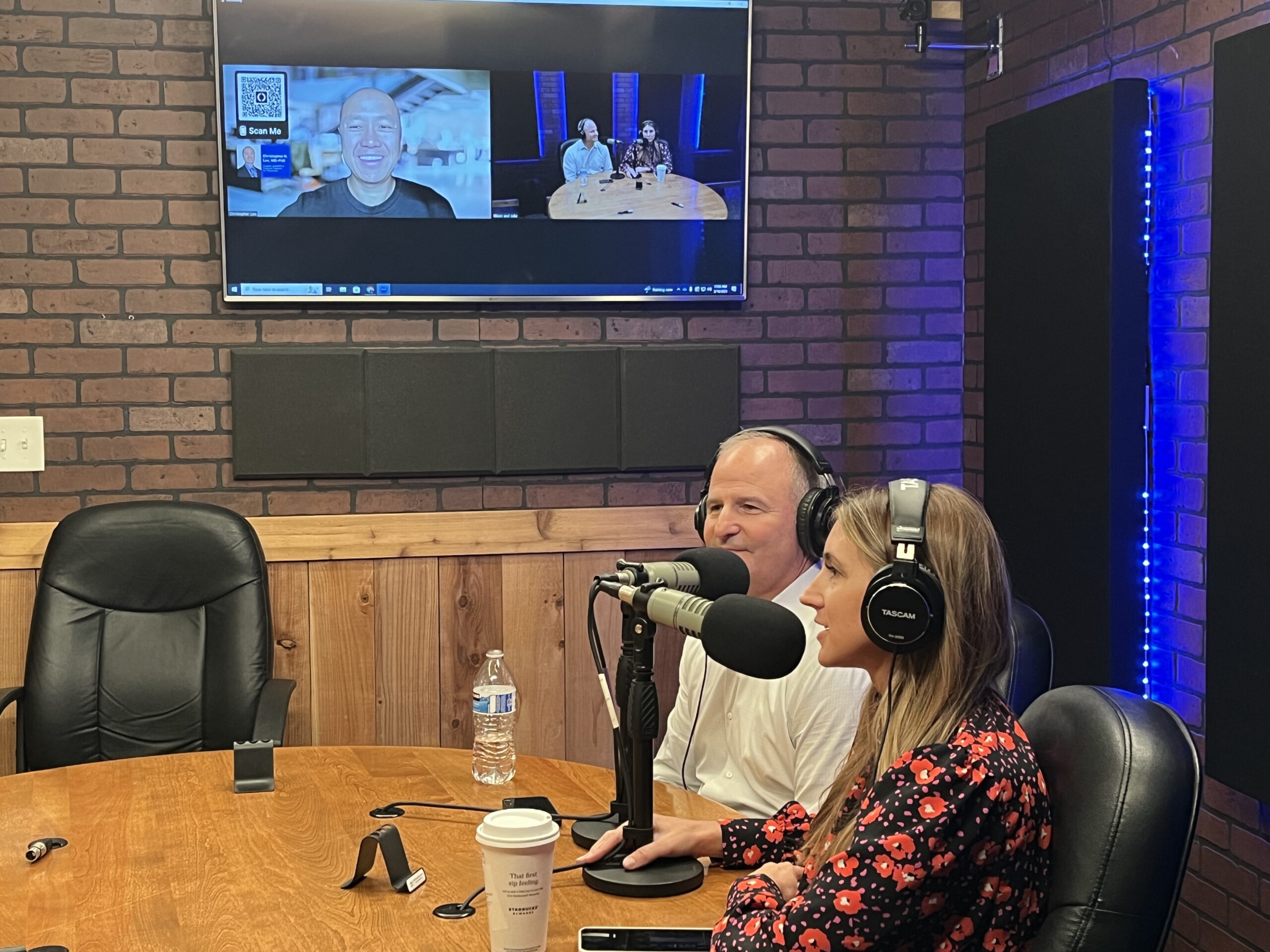
A lot of podcasters are asking the same question right now: should I add video to see podcast growth? At first, it sounds like a simple format decision. It seems like the kind of thing you solve by choosing a platform, upgrading your setup, and deciding how much editing you are willing to take on.
But in most cases, that’s not the real question.
The deeper question is whether video actually helps your podcast do its job more effectively. That’s where the conversation gets more useful.
Because the moment you add video, the cost of your podcast usually goes up. Sometimes that means more money. Almost always, it means more time, complexity, visual decisions, editing, and pressure. The workflow gets complex very quickly.
That’s why I want my podcast clients to pause before assuming video is the obvious next step. Video isn’t automatically a smart move. It’s only a smart move if it supports the real purpose of the show.
Why video can become expensive content
I’ve worked with podcasters who started doing video not out of strategy, but because it felt like the expected next move. They saw other creators doing it (FOMO!). Or wanted more reach. Some assumed it would help their podcast feel more current, visible, or legitimate.
So what happened? Production became more demanding, but the strategy didn’t become more effective. The content got bigger, but not necessarily better. More effort was going out, yet the results were still unclear.
That’s what I mean by expensive content. I don’t just mean expensive in dollars, though it can absolutely become that. I also mean expensive in energy, consistency, creative focus, and the overall sustainability of the show. If you don’t know what your podcast is there to do, then you have no real way to decide whether that extra cost makes sense.
Start by naming the job of the podcast
For business owners and entrepreneurs, this matters even more.
Your podcast is not just content. It is part of your larger business strategy. It should be doing something meaningful for your message, brand, audience, and business. That’s why a better question than “Should I do video?” is this:
What is the core job of my podcast?
In my experience, most podcasts are primarily doing one of four jobs. They’re helping with:
- growth
- authority
- community
- leads
A strong podcast may create more than one of those outcomes over time. But usually one of them sits at the center. One primary job shapes the strategy.
Once that becomes clear, the decision about video gets much easier.
If your podcast is mainly about growth
Video may be a wise investment. When the primary job of the show is growth, discoverability matters. Video can create more opportunities for people to find your content. It can help your message travel further across platforms.
In that situation, the added work may be justified because it’s directly connected to the core job of the podcast. That doesn’t make video easy. It simply means the effort has a strategic reason behind it.
If your podcast is mainly about authority
Video may also make sense here. There are times when being seen strengthens trust. A clean visual presence can reinforce professionalism and credibility. For some business owners, video helps people experience them as a knowledgeable guide or trusted expert more quickly.
That can be valuable.
Even so, the question isn’t whether video looks impressive. The better question is whether it helps people trust you more.
If your podcast is mainly about community
This is where the answer often changes. Your audience may not need polish. Not every show becomes stronger when you add cameras and a more complex production process. Some podcasts build real loyalty because they feel personal, steady, and relational.
Their listeners aren’t looking for a more visual experience. They are looking for consistency, warmth, and a sense of connection. In those cases, adding video can make the content more expensive without making the relationship any stronger.
If your podcast is mainly about leads
This is where honesty becomes especially important.
A lot of business owners assume video will naturally generate more leads because it feels like a more strategic content strategy. But better results don’t usually come from format alone. They come from message clarity, consistency, trust, and a strong call to action.
If video helps the right people move toward a conversation with you, then it may be worth the added effort. But if it simply creates more production work without improving the outcome, then it’s probably not serving the real job of the show.
That’s the difference between content that looks strategic and content that’s actually strategic.
Ask better questions before you expand your production
The same video strategy can be smart for one podcast and wasteful for another.
That’s why copying what other podcasters are doing is rarely the right move. Their show may be trying to accomplish something different than yours. Their audience may want something different. And, more than likely, their business model may be entirely different from yours.
Before you invest in more gear, editing, and production, ask a better question. If the job of your podcast is growth, ask whether video improves discoverability enough to justify the cost.
If the job is authority, ask whether video strengthens trust and professional presence enough to justify the effort.
If the job is community, ask whether video truly deepens connection.
If the job is leads, ask whether video helps the right people move toward action.
These are much more strategic questions than simply asking whether you should add video.
A simple exercise to bring clarity
Here’s the next practical step I want you to take.
Write one sentence that begins like this:
This podcast exists primarily to…
Finish that sentence as honestly as you can.
Then write a second sentence:
A video version of this podcast would help by…
Pay attention to how easy or difficult that second sentence is to finish.
If the answer is clear and specific, you may have a real strategic reason to explore video.
If the answer feels vague, forced, or generic, that tells you something important too. It probably means you don’t need more production yet. You need more clarity.
That’s not hesitation, that is strategic maturity.
Frequently Asked Questions about Adding Video for Podcast Growth
What is the core job of a podcast?
The core job of a podcast is the primary result the show is meant to create. For many business podcasters, that job is mainly growth, authority, community, or leads. Defining that clearly helps guide decisions about format, content, and promotion.
Should every podcast have a video version?
No. A video version only makes sense if it supports the main purpose of the show. For some podcasts, video helps with discoverability or authority. For others, it adds time, cost, and complexity without improving the result.
How do I know if video is worth adding to my podcast?
Start by identifying the core job of your podcast. Then ask how video would specifically help that job. If you can clearly explain the strategic benefit, video may be worth exploring. If the answer feels vague, you probably need more clarity before adding more production.
Is audio-only podcasting still enough for podcast growth?
Yes, for many podcasters it is. If your show already creates trust, connection, and results through audio, you may not need video at all. The better question is not whether audio is enough in general. It is whether audio is enough for the job your specific podcast is meant to do.
This is the kind of work I do every day as My Podcast Guy.
If your show feels slightly “off”, like you’re working hard but not really connecting, I can help you:
- Clarify your own why
- Clarify your listener’s why
- Redesign your intros, topics, and structure so those two whys stop pulling against each other
I’ll map out your engine, your listener’s destination, and how to get your podcast pointed toward both.
Need a studio in Central Ohio or the Columbus, Ohio area to record your podcast? Check out our go-to studio, Channel 511 in Columbus, Ohio.