Podcast growth is treated like rinse and repeat cycle. Publish consistently. Cut clips. Post on social. Maybe run ads if the budget’s there. Start the process over. Keep feeding the machine and hope your audience shows up.
That’s part of the story, but only part.
I think the bigger opportunity is this: a podcast isn’t just content. It’s a relationship asset. And when you pair that asset with micro events, your show stops acting like constant media output and starts acting like an ecosystem.
That’s what struck me reading Marketing Against the Grain’s piece on micro events. The article argues that smaller gatherings (under 50 attendees) beat big conferences because they create “stronger connection, make audience segmentation easier, allow for faster follow-up, and give teams a cleaner path to measuring ROI.”
For you as a podcaster, that’s a strategic unlock.
The point isn’t that every show now needs to “do events.” The point is that small, intentional gatherings can help your podcast do what most growth tactics only promise: deepen trust, sharpen positioning, generate better content, create monetization opportunities, and turn your listeners from passive consumers into active participants.
Why micro events make so much sense for podcasts
Podcasting already runs on intimacy.
Your listeners don’t just scroll past you podcast. They invite it into long stretches of attention: commutes, walks, workouts, chores, flights, weekends. The attention span myth reinforces something marketers still get wrong: people haven’t lost the ability to pay attention. They’ve just become far more selective about what deserves it.
That’s exactly why micro events fit.
A small room full of the right people works the same way a strong podcast works. It doesn’t win because it’s the biggest thing in the category. It wins because it feels relevant. Specific. Worth showing up for.
That’s why I think you should stop thinking only like a podcast publisher and start thinking more like an event host. The real asset isn’t just the audio feed. It’s the ability to gather the right people around the right conversation.
The real shift is from audience acquisition to audience activation
A lot of podcast strategy still revolves around attracting more listeners. Fair enough. Growth matters.
But your show doesn’t actually have a reach problem. It probably has an activation problem.
Micro events can change that for your podcast.
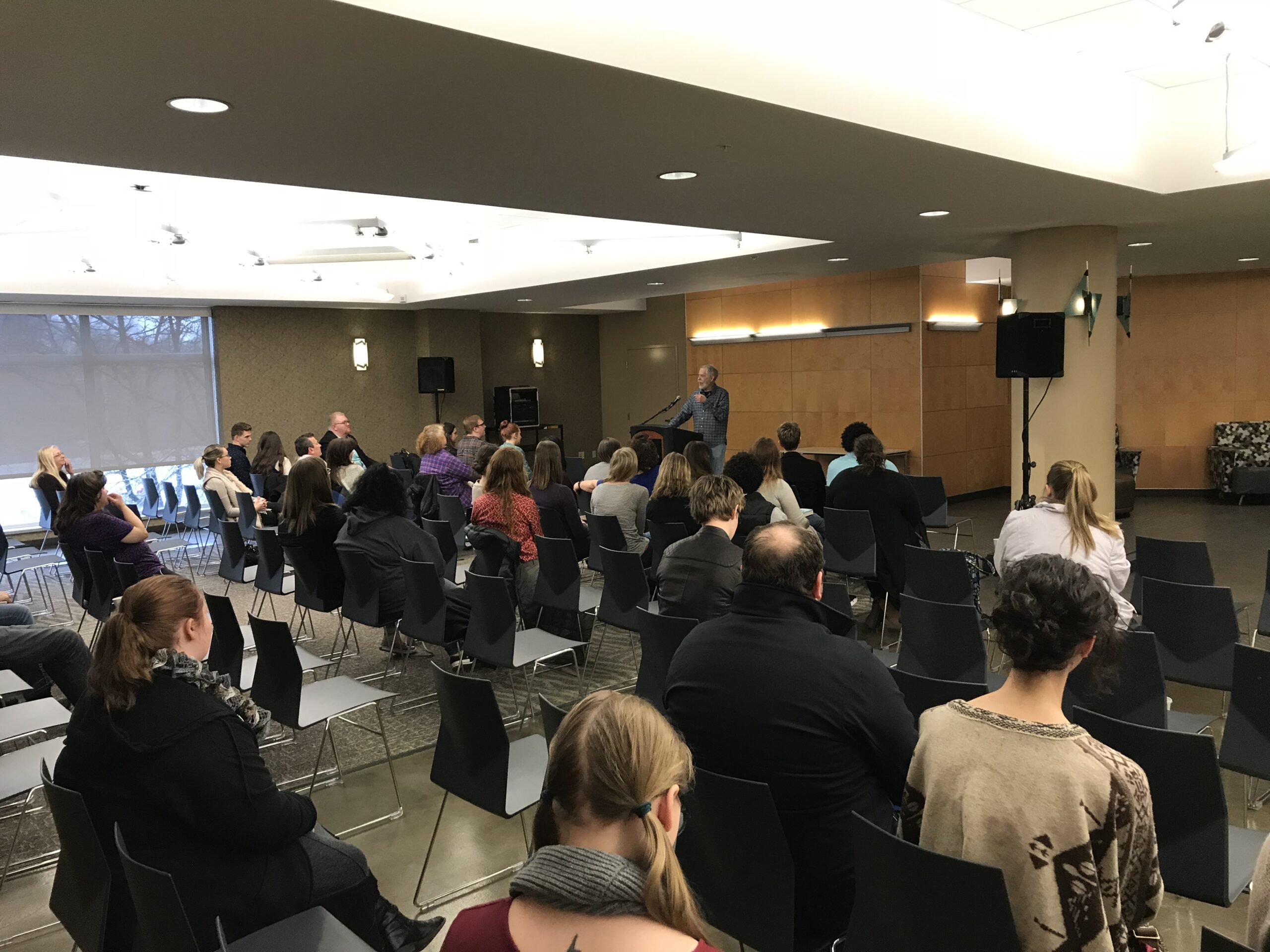
When you hosts a small dinner, workshop, roundtable, listener advisory session, meetup, or office hour, the relationship changes. The audience isn’t just consuming your show anymore. They’re stepping inside it.
And once that happens, your show starts to behave differently. People are more likely to reply to your newsletter, bring a friend, suggest a guest, share an episode, join a community, attend again, or buy something that genuinely fits their needs.
That’s the part I think you need to take seriously. A micro event isn’t just a nice add-on. It’s a mechanism for turning attention into participation.
What micro events can do for podcast growth
The obvious argument for micro events is visibility. That’s true, but it’s also the least interesting one.
The better argument is that micro events generate better signals.
A room of 20 well-chosen people can create more downstream value than a much larger pool of low-intent impressions. That’s because the room gives you: better conversations, better audience insight, better content, better referrals, and usually better follow-up.
That could look like listener meetups in cities where your show already has traction, invite-only dinners for a niche professional audience, post-recording gatherings built around a flagship topic, small workshops with a guest or sponsor, or community events designed to surface stories and questions.
What comes out of that isn’t just “brand awareness.” It’s usable growth fuel. You get clips, testimonials, audience language, referrals, email signups, potential guests, future episode ideas, and more reasons for people to talk about your show in ways that feel natural.
That’s a very different growth engine than pushing another episode link into social and hoping it catches.
What micro events can do for audience development
Audience development gets reduced too often to top-of-funnel thinking. More reach. More downloads. More followers.
But the most effective audience development is really about belonging.
The best podcasts create a sense that the show stands for something and gathers a certain kind of person around it. Micro events make that visible in the real world.
That’s one reason this article is so useful here. It argues that “smaller events work because people feel seen, appreciated, and part of something tailored to them, instead of feeling like another badge in a sea of badges.” That idea maps almost perfectly to podcasting.
If your podcast is about entrepreneurship, maybe the event is a founder breakfast in a few key cities. If you host a marketing show, maybe it’s a teardown night where people workshop campaigns together. If your show is built around leadership, maybe it’s a peer circle focused on the exact issues listeners keep writing in about.
That’s not just community building for community building’s sake. It’s an editorial advantage. These rooms tell you what your audience actually cares about, how they describe their problems, what they’re struggling with, what they’re buying, what they want next, and what your show should explore more deeply.
Your podcast needs to learns from your audience to get sharper. A sharper podcast makes the next event more compelling. That loop is where the ecosystem starts to emerge.
What micro events can do for monetization
This is where the conversation gets even more interesting.
Most podcasters still think about monetization in a narrow set of categories: ads, sponsors, subscriptions, merchandise, maybe a course. Micro events widen the lens.
Sometimes the event itself is the offer. A paid workshop, a private dinner, a masterclass, a premium community session. That part’s straightforward.
But often the bigger value is what the event makes possible after the fact.
A business podcast can use small events to warm the right people into consulting or advisory work. A branded podcast can use them to deepen customer relationships and surface new demand. A niche show can give sponsors something far more valuable than logo placement: access to a carefully curated room they actually want to be in. If the podcast is attached to a business, micro events can become one of the clearest ways to connect the show to pipeline, partnerships, premium offers, and long-term revenue.
Your show sits inside a larger system that includes strategy, promotion, repurposing, growth, positioning, and monetization. That’s the frame more podcasters should adopt.
The follow-up matters as much as the event
One of the smartest points in this article is also one of the easiest to overlook: speed matters after the event. “Great events lose value fast when follow-up is slow, vague, or generic.”
That’s especially true for podcasts.
Default mode for many hosts would be to get the room filled with the right people and then treat the event like a standalone moment. But the event isn’t the whole play. It’s the start of a sequence.
The better approach is simple: thank people quickly, send something useful, reference what came up in the room, invite them into the next relevant touchpoint, and keep track of what they care about.
The mico event is the start, not the end result.
For you, that might mean a tailored episode playlist, a recap with key takeaways, a private resource bundle, an introduction to someone useful, an invitation to a future gathering, or a sponsor offer that actually matches the conversation.
Done right, follow-up doesn’t feel like selling. It feels like stewardship. And that’s an important distinction. Your podcast ecosystem grows because each interaction leads naturally into the next one.
What podcasters should actually measure
If micro events are going to become a serious part of your podcast strategy, they need to be measured like one. Attendance is fine, but it’s not enough.
A better way to think about it is to measure outcomes across three layers.
Audience outcomes: subscriber growth, newsletter signups, community joins, referrals, return attendance, and listener retention.
Business outcomes: sponsor interest, qualified leads, discovery calls, memberships sold, partnerships opened, or revenue from related offers.
Content outcomes: clips captured, testimonials gathered, questions collected, future episode ideas surfaced, and guests identified.
That also fits the core lesson from the Marketing Against the Grain piece: “the goal has to be clear before the event happens, and the measurement plan has to be baked in from the start.” Otherwise the event becomes a nice experience with unclear value. With a clear objective and a real workflow behind it, the same event becomes strategic infrastructure.
Podcasts aren’t just shows anymore
Podcasters with the most leverage won’t just be the ones who publish consistently. They’ll be the ones who build a world around the show.
The episode is one layer. The newsletter is another. Clips are another. Community, partnerships, consulting, memberships, live conversations, and small in-person gatherings all reinforce each other. Micro events matter because they connect those layers.
They give your audience a place to gather. They give you a place to learn. They give your partners a place to participate. And they give your business a way to monetize that doesn’t force every outcome through ads.
That’s why I think the opportunity here is bigger than event marketing.
Micro events are a way to turn a show from something people consume into something they join. And once that happens, you’re not just building content anymore. You’re building an ecosystem.
Inspiration thanks to Jihan Donawa Gibson, Senior growth marketing manager, Swoogo.