
If you’ve taken a break from your podcast—two weeks, two months, or two years—you’re in good company.
I talk to podcasters all the time who say things like:
- “I meant to miss one week. Then it became three… then I stopped.”
- “Now I’m embarrassed to even open my own show.”
- “I don’t know how to come back without making it a big thing.”
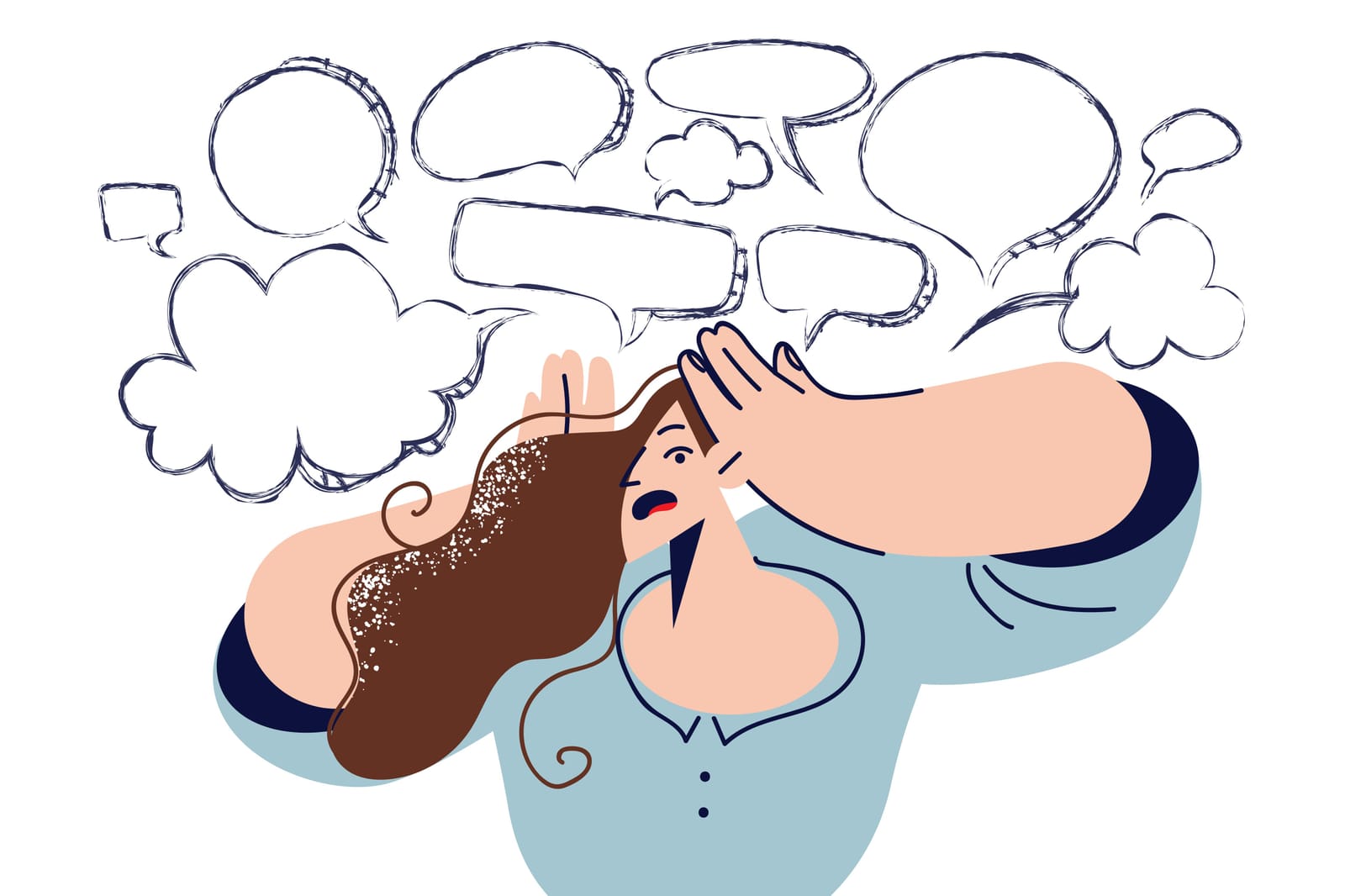
Underneath the logistics, there’s usually one heavy emotion running the show:
Shame.
The story in your head sounds like:
- “Real podcasters don’t disappear.”
- “My listeners have probably moved on.”
- “If I come back, I owe everyone a perfect explanation.”
As My Podcast Guy, I want you to hear this clearly:
A break does not mean you’ve failed as a podcaster.
A break is data.
The real question isn’t “What’s wrong with me?” It’s “What was my break trying to tell me—and what does my podcast need to look like now?”
Let’s unpack that.
What Your Break Is Actually Telling You
Most podcasters treat a gap in their feed as a moral failing.
In reality, it’s often a simple sign that:
- Your workflow was too heavy for your life.
- Your format took more energy than you had.
- Your season of life changed faster than your show did.
- Your why evolved, but your podcast didn’t.
I see this in countless variations. Here’s a composite example.
Tasha’s “Unplanned Hiatus”
“Tasha” launched a show with a solid why: she wanted to encourage people facing a specific struggle, using her own experience.
For a while, things worked:
- Weekly episodes
- Thoughtful content
- A few quiet but meaningful listener messages
Then life happened. Work got intense. Family needed more from her. Nothing dramatic enough to become a public storyline, but enough to push podcasting down the list.
She missed one week. Then another. Then she looked up and realized: “I haven’t released in two months.”
At that point, time wasn’t the main issue anymore. Shame was.
Every time she thought about recording again, she heard:
- “Who am I to talk about consistency?”
- “I can’t just pop back in like nothing happened.”
- “If I come back, I have to explain everything and make it worth it.”
So she didn’t come back—not because she didn’t care, and not because her why had disappeared, but because the story about the break was louder than the mission that started the show.
When we talked, we didn’t start with content calendars. We started with three questions.
Three Questions to Turn Shame into Clarity
If you’ve taken a break, try these:
1. What Was Actually Happening When You Stopped?
Instead of “I blew it,” ask:
- What was going on in my life, work, and energy levels?
- Was I trying to do a weekly show with a schedule that only supports biweekly?
- Was my editing or prep way heavier than it needed to be?
With Tasha, it became clear:
- Her format (long, heavily edited episodes) was too demanding.
- Her schedule (weekly, on top of everything else) wasn’t realistic.
The break wasn’t proof that she was weak. It was proof that her system wasn’t compatible with real life.
2. Does Your Why Still Matter?
Ask:
“Does the core reason I started this show still matter to me—and does that listener still exist?”
Sometimes your honest answer is “no”—your mission truly has changed. That’s a different conversation.
But more often, like with Tasha, the answer is “yes”:
- She still cared deeply about the people she started the show for.
- Those people still existed and still needed what she could offer.
Her engine (her why) was fine. The vehicle (how she was doing the show) needed work.
3. What Would a Sustainable Version Look Like Now?
Instead of promising yourself, “I’ll be weekly forever again,” ask:
- What cadence can I actually sustain in this season?
- What if I treated the show in seasons or mini‑series instead of an endless treadmill?
- What’s the simplest version of my format that still serves my listener well?
For Tasha, that looked like:
- Shifting to a seasonal approach (e.g., 6–8 episode runs)
- Lightening her editing standards
- Reframing consistency as “showing up in sustainable seasons,” not “never missing a week again.”
How to Restart Your Podcast Without a Big, Awkward Monologue
One of the biggest blockers I see is the imagined need for a grand confession or apology.
You don’t owe your audience a 20‑minute explanation of your calendar.
You owe them:
- Your presence
- Your honesty
- Content that serves the mission you set
A simple, grounded comeback can sound like:
“You might notice it’s been a little while since the last episode. Life got full for a bit. Today I’m back because this show still matters to me, and I want to talk about…”
That’s enough.
No self‑flagellation. No over‑explaining. Just a brief acknowledgment and then back to doing the work your show is meant to do.
One Question to Guide Your Return
If you’re on the edge of restarting, ask yourself this:
“If I came back to my podcast from my why instead of from guilt, what would my next episode sound like—and what’s one small change I’d make so it’s actually sustainable?”
You might decide to:
- Shorten episodes a bit
- Move to a biweekly schedule
- Try a defined mini‑season around one focused theme
- Relax your editing perfectionism
The point isn’t to “make up for” the break. It’s to design a version of your show that your life and your mission can actually support.
Want Help Designing a Comeback You Can Stick With?
If shame is talking louder than your why right now, you don’t have to sort it out alone.
As My Podcast Guy, I help podcasters:
- Understand what their break was really telling them
- Clarify whether their why still holds
- Redesign their format, schedule, and expectations to fit real life
If you’d like that kind of support, you can book a clarity call through my site, My Podcast Guy.
Your break is not the end of the story. It’s just information about how your next chapter needs to look.
Need a studio in Central Ohio or the Columbus, Ohio area to record your podcast? Check out our go-to studio, Channel 511 in Columbus, Ohio.